Robix Font: A Playful Script for Creative Makers
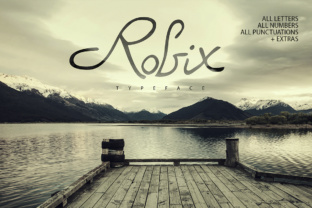
I was sitting at my desk, sketching out a new line of seasonal candle labels when I realized something was missing. The names and scents were all there—vanilla, lavender, cinnamon—but the text just didn’t pop with the charm I wanted to convey. That’s when I opened up my font library and found Robix, a beautifully decorative script handwritten typeface that instantly transformed my designs into something special. If you're a maker who values personality in your product presentation, Robix could be the perfect font to bring your creative vision to life.
Robix for Seasonal Candle Labels and Brand Identity
When it comes to candle labels, the right font can elevate the entire aesthetic. Robix is ideal for short phrases like “lavender dreams” or “autumn spice,” where each letter feels hand-painted with care. Its playful yet elegant curves give your products a personal touch that stands out on shelves and in photos. As a handmade seller, this kind of attention to detail helps build a strong brand identity. Whether you’re crafting minimalist soy candles or richly scented blends, Robix adds warmth and whimsy that customers will notice and remember.
I tested it out on a mockup using Cricut Design Space, adjusting the size for small round stickers. The result? A label that felt both authentic and eye-catching. It's not too bold, but still has enough character to make your shop feel unique. This kind of visual storytelling through typography is what sets apart thoughtful brands from generic ones.
Using Robix in Greeting Cards and Invitation Mockups
Next, I turned to designing some birthday greeting cards. For these, I paired Robix with a simple sans serif font to balance its ornate style. The contrast worked wonders—it gave the cards a sense of elegance without feeling overly complicated. On the front of each card, I used Robix to write the sentiment, while keeping the inside message clean and easy to read. This approach ensures your design assets remain versatile and functional across different parts of the product.
For wedding invitations, I layered Robix over a soft watercolor background. The handwritten font brought an organic, romantic feel that digital fonts often lack. Even though it’s a script handwritten font, I made sure to test how it looked in both uppercase and lowercase variations. It handled them well, especially when I used ligatures and swashes to add flow between letters. This subtle customization helped create a more refined look for the couple’s big day.
Robix as a Display Font for Planner Pages and Wall Art
One of my favorite applications for Robix is in planner pages and printable wall art. I recently designed a set of farmhouse-style printables for fall, and Robix became the hero of the layout. Used sparingly for titles like “Thankful Moments” or “Harvest Hues,” it added just the right amount of personality without overwhelming the rest of the design. Because it’s a decorative font, I avoided using it for long blocks of text, but it shines when used as a display element or in accents.
If you're creating digital downloads for planners, calendars, or even SVG-style designs for cutting machines, Robix offers a level of sophistication that makes your work feel premium. Just be sure to check the included styles and file formats before downloading. You’ll want to ensure it supports your preferred platforms and includes features like multilingual characters if your audience is international.
Robix for Boutique Packaging and Product Tags
Handmade boutique owners know that packaging is half the experience. When I was prepping gift tags and packaging wraps for a new batch of soaps, Robix was the first choice for writing product names and descriptions. Its hand-drawn nature fits perfectly with natural textures like kraft paper and burlap, making the whole package feel cohesive and artisanal.
Because I often sell digital templates alongside physical items, I also created a preview image showing how the font would appear on a sticker sheet. I found that using a slightly thinner weight helped maintain clarity, especially when printed in smaller sizes. Testing your font choices on actual materials is key—what looks great on screen might need tweaking for real-world use.
Robix in Tote Bag and Mug Designs
Merchandise like mugs and tote bags needs a font that’s both readable and charming. Robix works best in larger text sizes here, where its script handwritten style becomes more legible and impactful. I used it for a set of holiday-themed mugs, writing “Joy to the World” in a flowing script. The design was then sent off to a heat press, and the final result was a mug that felt personal and inviting.
For tote bags, I combined Robix with a bold display font for a split-letter title effect. The combination allowed me to highlight a catchy phrase while keeping the overall design balanced. These kinds of font pairings are essential for modern typography that feels intentional and stylish.
Robix for Shop Branding and Digital Listings
As a small shop owner, I’m always looking for ways to unify my branding. Robix has become part of my signature look, appearing on everything from social media graphics to product listing images. It gives my shop a consistent voice—one that feels warm, creative, and authentic. Whether it's a new seasonal item or a year-round staple, using the same font across all visuals helps customers recognize my brand instantly.
When preparing digital download previews for Etsy, I noticed how Robix made the mockups feel more curated. It’s a font that invites buyers to imagine themselves using the product, which is exactly what you want for high-converting listings. I’ve used it for printable wall art, baby shower cards, and even custom address labels. Each time, it added that extra bit of flair that makes people pause and take a closer look.
Readability Tips for Cutting Machines and Small Stickers
If you're using Robix with a Cricut or Silhouette machine, keep in mind that its intricate details may require careful settings. I recommend testing it on a few sample stickers before committing to a full production run. For small stickers, simplifying the design by reducing unnecessary swashes or thin lines can help maintain clarity after cutting. Sometimes less really is more when it comes to Fonts in physical form.
Also, consider how the font will look in different colors. I discovered that Robix stood out most when paired with muted tones like sage green or terracotta red. But it also shone when used in gold foil accents on dark backgrounds. Experimenting with color combinations can unlock new creative possibilities for your handmade goods.
Commercial Use and Licensing Considerations
Before selling any products featuring Robix, it’s important to verify the font’s commercial licensing terms. Since I sometimes include digital templates in my shop, I double-check whether the font allows for resale of edited files or merchandise. Some decorative Fonts have restrictions, so knowing what you can and can't do with them is crucial for staying compliant.
Make sure to review the included weights, alternates, and glyphs as well. I once assumed one version of Robix would work for all my projects, only to find out later that I needed additional styles for certain uses. Being prepared ahead of time saves time and headaches down the line.
Robix for Farmhouse Signs and Holiday Decor
Farmhouse signs are a go-to project for many crafters, and Robix fits right in. I painted a large wooden board with the words “Welcome Home” in Robix, and the outcome was rustic yet refined. The hand-drawn quality of the font complements distressed wood finishes and vintage-style elements perfectly. It's one of those Fonts that feels like it belongs in a cozy living room or a country kitchen.
During the holidays, I used Robix for personalized gift tags and ornament designs. The font’s decorative nature let me play with different shapes and layouts, ensuring every tag felt special. I also found that adding tiny illustrations around the text—like stars or leaves—enhanced the overall design without distracting from the main message.
Why Robix Works Well for Playful and Unique Creations
At the heart of it, Robix is a font that brings joy to your designs. It’s not meant for body copy or long paragraphs, but rather for headlines, logos, and decorative elements where you want to make an impression. As a maker who values authenticity and creativity, I appreciate how it adds a human touch to otherwise flat text.
It’s especially useful for niche markets like indie boutiques, stationery shops, and event designers who rely on emotional appeal to connect with their audience. Robix doesn’t just look good—it tells a story. And in the world of handmade products, stories are what sell.
Robix in Wedding Stationery and Welcome Boards
Wedding welcome boards are another area where Robix truly shines. I designed one for a friend’s upcoming nuptials using a mix of Robix and a classic serif font. The combination gave the sign a timeless yet fresh look, perfect for a modern wedding with a personal touch. I made sure to leave enough spacing between letters so it remained easy to read from a distance, which is critical for signage.
For the actual invitation suite, I used Robix exclusively for the envelope calligraphy and the main title. The rest of the information was laid out in a clean, neutral typeface to avoid clutter. This method keeps the focus on the key elements while still allowing the font to do its magic. It’s a practical approach for makers who want to highlight their brand without sacrificing usability.
Robix for Digital Printables and Social Media Graphics
Digital printable creators understand the importance of visual hierarchy. Robix plays a huge role in that. I’ve used it in several of my downloadable planner kits, particularly for section headers and motivational quotes. Its hand-drawn charm gives the user a sense of comfort and familiarity, which is essential for editorial design that resonates emotionally.
On social media, I often create teaser posts for new products using Robix as the headline. Paired with a lifestyle photo of the finished item, it draws attention and encourages clicks. Because it’s a script handwritten font, it feels more personal than a standard digital typeface. In a sea of uniform content, standing out is everything—and Robix helps you do that naturally.
Testing Robix Across Platforms and Materials
To ensure I was using Robix effectively, I tested it on various surfaces and platforms. From vinyl stickers on glass jars to printed cards mailed directly to customers, each format required slight adjustments. I found that increasing stroke width slightly improved visibility on darker materials, while decreasing it helped the font blend better with textured papers.
I also tested how it rendered on web design mockups for online stores. Surprisingly, it held up well in low-resolution thumbnails, maintaining enough character to be recognizable even at small sizes. This is a big plus for anyone creating shop materials or digital downloads that rely heavily on imagery.
Final Thoughts on Using Robix for Your Handmade Projects
Robix isn’t just another decorative Font. It’s a tool that helps you express your creative spirit through typography. Whether you're labeling a jar of homemade jam, designing a boutique tag, or creating a set of wedding invitations, Robix adds a layer of charm that’s hard to replicate. It’s not about following trends—it’s about finding a font that aligns with your brand and brings your ideas to life in a way that feels genuine.
So the next time you're brainstorming your next project, consider how Robix might fit into your process. Test it out on a few mockups, see how it pairs with your other design assets, and don’t forget to check its licensing to ensure it supports your intended use. With the right application, Robix can become a signature element of your shop’s identity—adding warmth, uniqueness, and a little extra love to every piece you create.